Expert Dishwasher Repair in Belmont, MA
Appliance Repair for Homes & Businesses in Belmont, Waverley, Massachusetts and Nearby Areas
Dishwasher Repair in Belmont Massachusetts | Appliance Repair Pros
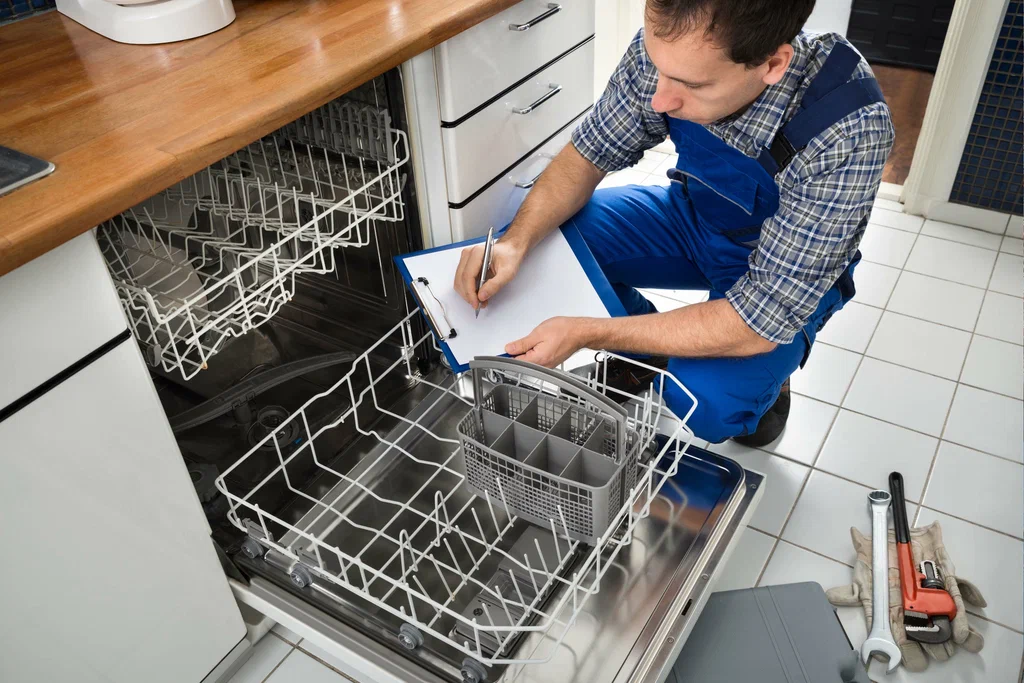
Dishwasher Repair in Belmont Massachusetts is a priority for households that value efficiency and sanitation in the kitchen. When this essential appliance stops working you are left with a sink full of dirty dishes and a disruption to your evening routine. Appliance Repair Pros provides detailed diagnostics and repair services for homeowners throughout Belmont and the nearby areas including Waverley, Arlington, and Watertown. We assist families living in the historic homes on Belmont Hill as well as residents in the condos around Cushing Square.
You might notice that your dishes are coming out gritty, the unit is leaking onto your hardwood floors, or the cycle runs for hours without ever finishing. We understand that modern dishwashers are complex machines with sensitive sensors and control boards. Our approach focuses on accurate testing to find the root cause of the failure rather than just swapping parts and hoping for the best. We treat your home with respect which means protecting your flooring and cleaning up any debris before we leave. If you need a technician who values precision and dependable scheduling we are ready to help. Contact us today.
Dishwasher Repair Services in Belmont
A dishwasher is more than just a luxury; it is a tool for maintaining a hygienic home. When it malfunctions it can be due to plumbing supply issues, drainage obstructions, or electronic failures. We provide a full range of repair services for all major configurations found in Belmont kitchens. Whether you have a standard built-in unit or a high-end integrated model that matches your cabinetry we have the technical knowledge to restore its function.
Dishwasher systems we work on:
- Standard built-in under counter dishwashers
- Integrated panel-ready units
- Drawer style dishwashers
- Portable or convertible units
- Stainless steel tub models
- Plastic tub models
- Smart dishwashers with Wi-Fi connectivity
- Compact 18-inch apartment units
What makes dishwasher repair tricky:
- Hidden leaks that damage subfloors before they are visible
- Complex control boards that manage wash cycles
- Turbidity sensors that detect soil levels
- Diverter motors that switch water flow between racks
- Circulation pumps that must maintain precise pressure
- Heating elements and flow-through heaters
- Door springs and friction pulley systems
- Ventilation fans for drying systems
Common Dishwasher Problems We Fix
Dishes come out dirty or gritty
The most frustrating issue for a homeowner is opening the door after a full cycle only to find food particles baked onto plates and glasses. This defeats the purpose of the appliance. It often indicates that water is not circulating with enough force or that the water being used is recirculating debris. In Belmont homes with older plumbing sediment can sometimes contribute to these flow restrictions.
Likely causes:
- Clogged or damaged spray arms
- Blocked fine particle filter
- Failed circulation pump impeller
- Diverter motor stuck in one position
- Low water level in the tub
- Detergent dispenser failure
How we diagnose it:
We inspect the spray arms for cracks or clogged jets that disrupt the spray pattern. We remove and examine the filtration system for trapped debris or broken mesh. We also test the water intake to ensure the unit is filling to the correct level because too little water prevents the pump from building adequate pressure.
What you can do right now:
Remove the bottom rack and check the filter at the base of the tub. If it is covered in food debris rinse it under hot water. Also check the spray arm holes for trapped seeds or glass shards.
Dishwasher is not draining
Standing water in the bottom of the tub is a common complaint. Aside from the unpleasant smell standing water can lead to leaks if the door is opened incorrectly. This issue is usually caused by a blockage in the drainage path or a failure of the mechanical component responsible for pushing water out.
Likely causes:
- Clogged drain filter or sump area
- Obstruction in the drain hose
- Failed drain pump motor
- Broken drain impeller
- Garbage disposal knockout plug not removed (on new installs)
- Air gap blockage at the sink
How we diagnose it:
We listen to the drain pump to see if it hums or grinds which indicates a jam or motor failure. We check the drain hose where it connects to the sink plumbing to ensure there are no kinks or clogs. We also verify that the check valve works correctly to prevent dirty water from flowing back into the machine.
What you can do right now:
Check your kitchen sink drain to ensure it is clear. If you have a garbage disposal run it for a few seconds to clear any food waste that might be blocking the dishwasher drain path.
Leaking onto the floor
Water leaks are a serious concern especially in multi-story homes or condos in Waverley where a leak can damage the ceiling below. Leaks can originate from the door area or from underneath the unit. Identifying the source quickly is vital to preventing property damage to your cabinetry and flooring.
Likely causes:
- Worn or torn door gasket seal
- Loose hose connection on the inlet or drain
- Leaking water inlet valve
- Cracked circulation pump housing
- Unit is not level causing water to splash over the front
- Using regular dish soap instead of dishwasher detergent
How we diagnose it:
We remove the kickplate and run a test cycle while observing the underside of the machine with a flashlight. We look for drips coming from the pump motor shaft or hose clamps. We also inspect the door seal for rips or areas where it has pulled away from the channel.
What you can do right now:
Stop the cycle and drain the unit if possible. Check the door seal for any obvious damage. verify that you are using the correct detergent as standard soap creates suds that force water out of the door vent.
Dishwasher will not start
You load the dishes and press the start button but nothing happens. The lights might be on but the cycle refuses to begin. This can be caused by a safety interlock issue or a control failure. Modern units will not run if they detect that the door is not securely latched.
Likely causes:
- Broken door latch or strike plate
- Failed door switch sensor
- Blown thermal fuse
- Control board malfunction
- Child lock feature is engaged
- No power at the circuit breaker
How we diagnose it:
We test the door switches for continuity to ensure they signal the control board when the door is closed. We inspect the main control board for signs of burning or shorted components. We also check the thermal fuse which is a safety device designed to cut power if the unit overheats.
What you can do right now:
Check your home circuit breaker panel to see if the breaker has tripped. Verify that the door is closing completely and not being blocked by a protruding rack or utensil.
Dishes are not drying
Opening the dishwasher to find dripping wet plates is disappointing. While plastics are naturally harder to dry ceramic and glass items should be dry at the end of the cycle. Drying issues are often related to the heating system or the rinse aid dispenser.
Likely causes:
- Burned out heating element
- Malfunctioning vent fan
- Empty rinse aid reservoir
- Failed high limit thermostat
- Control board relay failure
How we diagnose it:
We test the heating element for continuity to see if the electrical path is broken. We check the vent fan operation on models that use airflow for drying. We also examine the rinse aid dispenser to ensure it is releasing fluid correctly during the final rinse.
What you can do right now:
Check the rinse aid dispenser and refill it if it is empty. Rinse aid breaks the surface tension of water allowing it to sheet off dishes which significantly improves drying performance.
Loud or strange noises
Dishwashers should operate with a consistent hum or swishing sound. If you hear grinding, thumping, or high-pitched squealing it indicates a mechanical problem. Ignoring these sounds can lead to total component failure.
Likely causes:
- Debris like glass or bone stuck in the chopper blade
- Worn out wash pump bearings
- Drain pump obstruction
- Spray arm hitting a tall item
- Loose mounting brackets
How we diagnose it:
We listen to the machine during different stages of the cycle to pinpoint the source of the noise. If it happens during draining we check the drain pump. If it happens during the wash cycle we inspect the circulation pump and chopper assembly.
What you can do right now:
Open the door and spin the spray arms by hand to ensure they are not hitting any tall plates or cutlery. Check the bottom of the tub for any hard objects that might be rattling.
Cycle takes too long
If your dishwasher runs for four or five hours it is likely struggling to heat the water or sense that the dishes are clean. While energy-efficient cycles are longer by design extreme run times indicate a malfunction.
Likely causes:
- Water inlet temperature is too low
- Heating element is weak or failed
- Thermostat or thermistor failure
- Soil sensor is dirty or faulty
- Timer motor failure (on older mechanical units)
How we diagnose it:
We check the incoming water temperature and test the heating element. If the unit waits for the water to reach a certain temperature before advancing and the heater is broken the cycle will stall. We also clean and test the turbidity sensor.
What you can do right now:
Run the hot water at your kitchen sink before starting the dishwasher. This ensures hot water enters the unit immediately rather than cold water sitting in the pipes.
Soap dispenser does not open
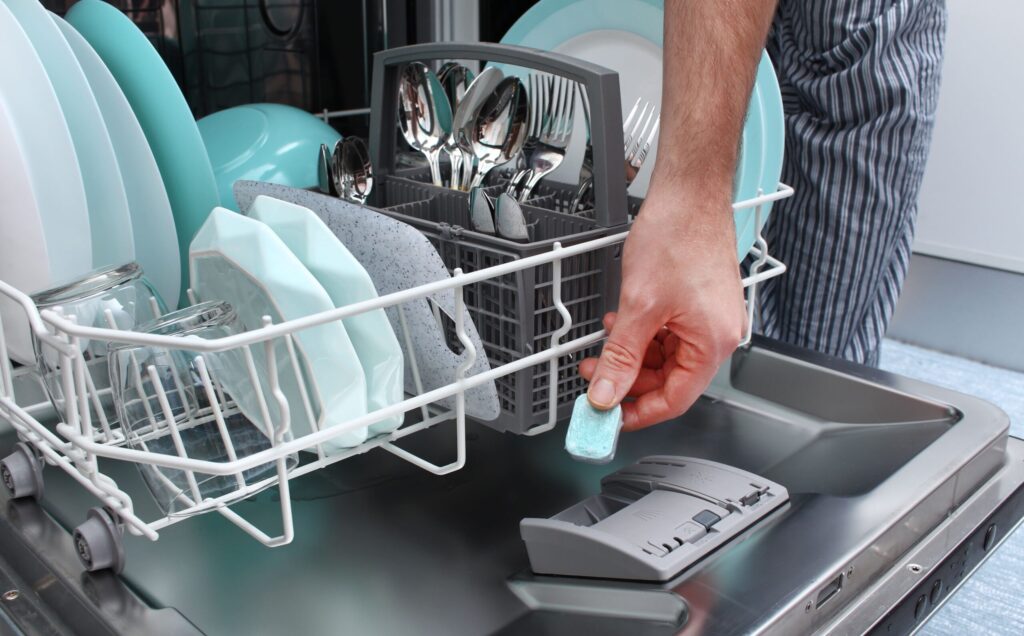
Finding a dissolvable pod or a lump of powder still in the cup at the end of the cycle means your dishes were washed with water only. The dispenser mechanism must open at the precise moment in the cycle to be effective.
Likely causes:
- Broken spring or latch on the dispenser door
- Failed wax motor or solenoid
- Dishes in the lower rack blocking the door
- Sticky residue jamming the latch
- Control board not sending the signal to open
How we diagnose it:
We inspect the mechanical linkage of the dispenser door. We test the actuator that triggers the door to open. We also check the wiring harness between the dispenser and the main control board.
What you can do right now:
Ensure that tall plates or cutting boards in the lower rack are not positioned directly in front of the detergent cup. Wipe down the dispenser cup to remove any sticky residue.

Safety Notes for Dishwasher Issues
Dishwasher repairs involve a combination of electricity, water, and heat which creates specific safety risks. Before attempting to investigate any issue yourself it is important to be aware of these hazards.
Checklist for safety:
- If you see water pooling near the base of the cabinet stop the cycle immediately and turn off the water supply valve under the sink. Water damage can spread quickly to subfloors and ceilings in multi-level homes.
- If you smell burning plastic or an electrical odor turn off the circuit breaker dedicated to the dishwasher. Do not touch the appliance until power is cut.
- If the dishwasher is not draining be cautious when opening the door as hot water may spill out. Wait for the unit to cool down before investigating.
- If you see sparks coming from the control panel or underneath the door cut power at the breaker panel immediately.
- Always wear gloves if reaching into the sump area as broken glass is a common cause of jams and can cause serious injury.
Brands We Service for Dishwasher Repair in Belmont
Different manufacturers use different engineering philosophies for their dishwashers. A European model handles water filtration differently than an American model. We understand the nuances of these brands and carry the diagnostic tools required for each.
Whirlpool family and similar designs
Brands like Whirlpool, Maytag, KitchenAid, and Amana share many design characteristics. They are common in Belmont homes and are known for their reliable filtration systems. These units often use a chopper blade system to grind up food particles.
- Common issues we see: Broken rack adjusters, failed circulation pumps, control board shorts, leaking diverter seals, door latch failures.
Correct diagnosis is key here because these brands often share parts but have different electronic control strategies.
GE family
GE and Hotpoint dishwashers are workhorses found in many renovated kitchens. Newer GE models use specific bottle jets and deep clean cycles that rely on complex spray arm configurations.
- Common issues we see: Electronic control board failures, heating elements burning out, clogged fine filters, door seal leaks.
We are familiar with the specific service mode sequences needed to test components on GE Profile and Café series units.
Samsung and LG
These brands integrate heavy technology into their appliances. Samsung typically uses a “waterwall” or rotary spray system while LG uses direct drive motors. They often feature digital displays and melody chimes.
- Common issues we see: LE (leak) error codes, drainage issues, sensor malfunctions, heavy moisture damaging control panels.
These units rely heavily on sensors. A simple sensor error can shut down the entire machine so accurate electrical testing is required.
Bosch and Thermador
Bosch and Thermador are very popular in the high-end kitchens of Belmont Hill and Cushing Square. They are known for quiet operation and rely on condensation drying or Zeolite technology rather than heating elements.
- Common issues we see: E15 error (leak detected), drain pump blockages, water inlet valve failures, junction box electrical issues.
These European models do not have a hard food disposer at the bottom so filter maintenance is critical. We know how to navigate their unique error code systems.
Frigidaire and Electrolux
These units are often found in new construction or updated condos. They offer good performance but can experience issues with the wash motor assembly over time.
- Common issues we see: Wash motor failure, element burning a hole in the tub (plastic tub models), door spring failure.
We check the orbital spray arms specifically on these models as they are a common point of failure.
Understanding Common Dishwasher Error Codes
Modern dishwashers communicate problems through digital error codes. While these codes give us a starting point they are rarely the final diagnosis. A code indicates a symptom not necessarily the broken part.
- i20, i30, or .20 (Frigidaire/Electrolux): Usually relates to draining or leak detection.
- E15 (Bosch): Indicates water in the base pan has triggered the safety float switch.
- E24 (Bosch): Indicates a drainage error often caused by a clog or pump cover issue.
- 1E or IE (Samsung/LG): Water inlet error meaning the unit is not filling properly.
- OE (LG): Output error meaning the unit cannot drain water.
- HE or TE (Various): Heating error or thermistor error indicating temperature issues.
- Clean Light Flashing (Whirlpool/KitchenAid): Indicates a heater fault or that the temperature did not increase as expected.
- LC or LE (Samsung): Leak sensor detects moisture.
Maintenance Tips for Dishwasher Owners in Belmont
Preventative maintenance can extend the life of your dishwasher and improve its cleaning performance. Given that some Belmont homes have older galvanized plumbing sediment can be an issue so checking filters is extra important.
Clean the filter regularly: Most modern dishwashers have a manual filter at the bottom. Remove it once a month and rinse it under hot water to remove trapped grease and food particles. A clogged filter restricts water flow and ruins cleaning performance.
Run the garbage disposal: If your dishwasher drains into a disposal always run the disposal with water before starting the dishwasher. This clears the path for the drain water.
Use a monthly cleaner: Run a cycle with a specialized dishwasher cleaner or a cup of white vinegar to remove mineral buildup and soap scum. This helps keep the interior smelling fresh.
Inspect the spray arms: Check the holes in the spray arms for clogs. A toothpick can be used to clear out any seeds or lime scale blocking the jets.
Don’t pre-rinse too much: Modern enzymes in detergent need some food soil to work effectively. Scrape off the big chunks but leave the sauce. This actually helps the detergent work better.
Load correctly: Avoid overlapping dishes. Water needs to reach every surface. Ensure tall items in the bottom rack do not block the upper spray arm from spinning.
Check the air gap: If you have a silver cylinder next to your faucet this is an air gap. Clean it out occasionally to prevent drain clogs.
Service Area for Dishwasher Repair in and Around Belmont Massachusetts
We are a local service provider focused on the Belmont area. We do not cover the entire state which allows us to be more responsive to our neighbors in Middlesex County. Whether you are near the Cambridge line or up near Lexington we can get to you quickly.
- Belmont
- Waverley
- Arlington
- Watertown
- Cambridge
- Lexington
- Waltham
- Cushing Square
- Payson Park
- Belmont Hill
Zip codes we serve: 02478, 02479, 02472, 02474, 02476, 02421
Frequently Asked Questions
Why is my dishwasher leaking water onto the floor?
Leaks are often caused by a damaged door seal, a loose hose connection, or a crack in the pump housing. Sometimes it is as simple as using the wrong type of soap which creates excessive suds that push water out. If you see a leak stop the unit and contact us to prevent water damage to your kitchen flooring.
Is it worth repairing an older dishwasher?
This depends on the age and condition of the unit. If the machine is under 8 years old and the repair is less than half the cost of a new one a repair is usually the best option. For high-end brands like Bosch or Miele repair is almost always more cost-effective than replacement due to the high upfront cost of these units.
How long does a typical repair take?
We aim to complete repairs in a single visit. We carry common parts like pumps, valves, and heating elements in our trucks. If a specific control board or specialized part needs to be ordered we can usually obtain it within a day or two and return to finish the job promptly.
Why are my dishes still wet after the cycle?
Modern energy-efficient dishwashers rely heavily on rinse aid to dry dishes. If your dispenser is empty the dishes will not dry well. It could also be a failure of the heating element or the vent fan. We can test these components to determine the exact cause.
What should I do before the technician arrives?
Please clear any dishes out of the dishwasher if possible. It is also helpful to clear the area under the kitchen sink as we may need to access the water supply and drain connections. Secure any pets in another room to ensure their safety and ours.
Why does my dishwasher smell bad?
Odors are usually caused by trapped food particles in the filter or a buildup of grease in the sump area. Running a cleaning cycle with a dishwasher cleaner can help. If the smell persists it could indicate a drain hose installation issue where dirty water is siphoning back into the unit.
Do you have a dishwasher repair technician near me?
Yes we are locally based in the Belmont area and serve the immediate surrounding communities. Being local allows us to navigate traffic efficiently and provide timely service to our neighbors.
Can you fix the dishwasher rack if it is rusted?
We can replace the vinyl coating on small areas of rust or replace the tines. However if the rack is extensively rusted and the metal is degrading the best solution is usually to replace the entire rack assembly to prevent rust particles from damaging the pump.
My control panel buttons are not working is this fixable?
Yes this is a common issue. It often requires replacing the user interface board or the main control board. We can test the ribbon cables and the board itself to see which component has failed.
Why is my dishwasher making a grinding noise?
A grinding noise usually means there is hard debris like a piece of glass, bone, or a fruit pit stuck in the chopper blade or the drain pump. It is important to address this quickly to prevent the motor from burning out.
Contact us today if you have any other questions about your appliance.
If your dishwasher is acting up do not let the problem linger. A small leak can turn into a major floor repair and a broken pump means hand washing every night. Appliance Repair Pros brings professional, respectful service to Belmont and Waverley. We diagnose the issue accurately and provide a lasting solution. Reach out to us for assistance and let us get your kitchen back to normal.