Expert Stove & Oven Repair in Belmont, MA
Appliance Repair for Homes & Businesses in Belmont, Waverley, Massachusetts and Nearby Areas
Stove and Oven Repair in Belmont Massachusetts | Appliance Repair Pros
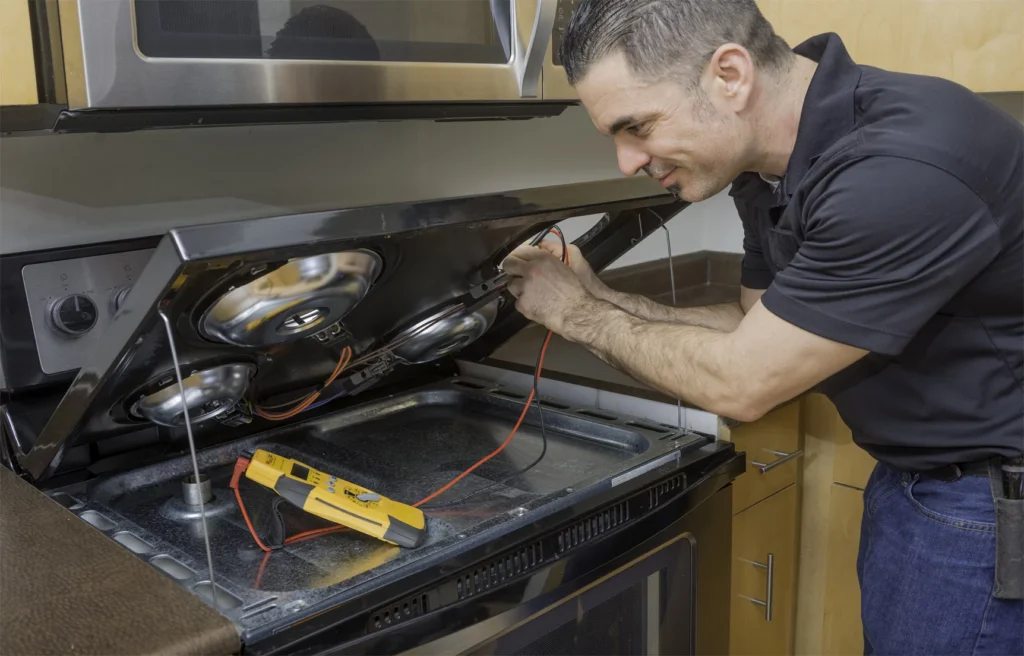
Stove and Oven Repair in Belmont Massachusetts is critical because a broken cooking appliance disrupts your entire family meal plan. Whether you are baking a birthday cake or just trying to get dinner on the table a cold oven or a clicking burner is a major frustration. Appliance Repair Pros provides expert diagnostics and repair for gas ranges, electric ovens, cooktops, and dual fuel systems throughout Belmont and nearby communities like Waverley, Cushing Square, and Arlington. We understand the mix of appliances in this area from the vintage gas ranges in historic Belmont Hill homes to the sleek induction cooktops in modern condos.
You might notice that your oven is baking unevenly, the gas burner refuses to light, or the control panel is displaying an error code. These issues often involve high voltage electricity or gas lines so professional attention is essential for safety. Our technicians focus on pinpointing the exact failure whether it is a weak igniter or a calibrated sensor that has drifted. We respect your home by using protective mats and keeping our work area tidy. If you need a repair service that prioritizes safety and accuracy we are ready to assist. Contact us today.
Stove and Oven Repair Services in Belmont
Modern cooking appliances are a blend of heavy duty mechanical parts and sensitive electronics. When they fail it can be due to a simple worn part or a complex board failure. We provide comprehensive repair services for all major cooking configurations found in Belmont kitchens. We have the tools and training to handle everything from standard freestanding ranges to high-performance wall ovens.
Stove and Oven systems we work on:
- Gas and electric freestanding ranges
- Built in single and double wall ovens
- Gas cooktops and rangetops
- Electric coil and glass smooth top cooktops
- Induction cooktops
- Dual fuel ranges (gas cooktop with electric oven)
- Slide in and drop in models
- Warming drawers
What makes stove and oven repair tricky:
- Handling 240 volt high voltage circuits safely
- Diagnosing intermittent gas ignition issues
- Calibrating temperature sensors for precise baking
- Accessing hidden components in built in wall ovens
- Troubleshooting complex relay control boards
- Working with glass ceramic tops that can crack
- Testing safety valves that control gas flow
Common Stove and Oven Problems We Fix
Oven is not heating or not reaching temperature
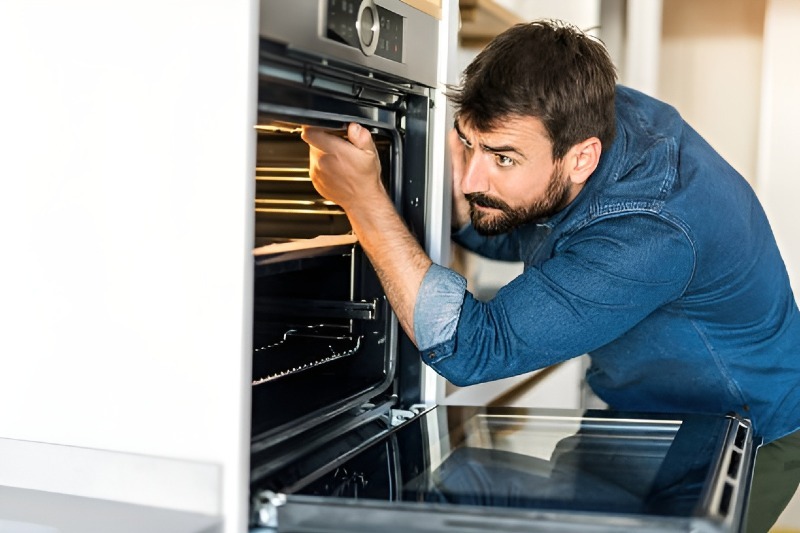
There is nothing worse than putting a roast in the oven only to find it raw an hour later. If your oven lights turn on but the heat does not follow it indicates a break in the heating system. In electric ovens this is often a sudden failure while gas ovens may show signs of slow heating before quitting entirely.
Likely causes:
- Broken baking or broiling element (electric)
- Weak or failed igniter (gas)
- Blown thermal fuse
- Failed temperature sensor
- Control board relay failure
- Incoming power issue (tripped breaker leg)
How we diagnose it:
For electric units we test the heating elements for continuity to see if the internal wire is broken. For gas units we observe the igniter glow pattern; if it does not get hot enough it will not open the gas safety valve. We also test the temperature sensor resistance to ensure it is reading accurately.
What you can do right now:
Check your circuit breaker panel. Electric ovens run on two 120 volt legs; if only one trips the lights might work but the heater will not. Reset the breaker fully to be sure.
Gas burner will not light
You turn the knob and hear the clicking sound but the flame never appears. This is a common issue with gas cooktops. It can be caused by a lack of gas flow, a spark issue, or a dirty burner assembly. In Belmont kitchens with active cooking grease buildup is a frequent culprit.
Likely causes:
- Clogged burner ports blocking gas flow
- Cracked or wet ceramic spark electrode
- Failed spark module
- Defective burner switch
- Misaligned burner cap
How we diagnose it:
We check for a strong blue spark at the electrode. If there is a spark but no flame we check the gas flow through the orifice. If there is no sound and no spark we test the switch and the spark module to see where the electrical signal is being lost.
What you can do right now:
Remove the burner cap and clean the metal burner head with a toothbrush and warm soapy water. Ensure the tiny holes are clear. Make sure the burner cap is sitting perfectly flat.
Oven burns food or bakes unevenly
If your cookies are burnt on one side and raw on the other your oven has lost its calibration or airflow balance. This transforms baking from a science into a guessing game. This can happen over time as components age or if the convection fan fails.
Likely causes:
- Temperature sensor has drifted out of spec
- Convection fan motor failure
- Oven rack is positioned incorrectly
- Blocked airflow vents
- Bottom heating element is not working (using only broil element)
- Door gasket is leaking heat
How we diagnose it:
We use a digital thermometer to map the temperature inside the oven cavity and compare it to the set point. We test the convection fan to ensure it is circulating air. We also inspect the door seal for gaps that let cold air in creating hot and cold spots.
What you can do right now:
Check the door seal for any rips. Ensure you are not covering the oven racks with aluminum foil which blocks airflow. Try recalibrating the temperature offset in the user settings if your model allows it.
Glass cooktop burner not working
On a smooth top electric range a burner that stays cold or goes to high heat regardless of the setting is a major problem. These units use “infinite switches” or digital relays to cycle the power on and off to maintain heat.
Likely causes:
- Burned out ribbon element under the glass
- Failed infinite switch
- Loose wire connection at the terminal block
- Surface element limiter switch failure
How we diagnose it:
We access the components under the glass top and test the element for continuity. If the element is good we test the switch contacts to see if they are regulating the power correctly. We also inspect the wiring for any signs of overheating.
What you can do right now:
If one burner is acting up avoid using it to prevent further electrical damage. Do not place heavy cast iron pans on the glass until it is inspected as this can exacerbate underlying cracks.
Self cleaning cycle caused a failure
We often get calls right after a homeowner runs the self clean cycle. The extreme heat generated during this cycle (often over 800 degrees) can stress aging components and cause them to fail. The oven might lock the door and refuse to open or simply go dead.
Likely causes:
- Tripped high limit thermal fuse
- Control board overheated
- Door lock motor seized
- Touch panel ribbon cable melted
How we diagnose it:
We check the thermal safety limits first as they are designed to trip to prevent a fire. If the door is stuck locked we manually release the latch mechanism. We then test the control board to see if it survived the high heat event.
What you can do right now:
If the door is locked do not force it open as you will break the latch. Wait for the oven to cool down completely (at least 2 hours). If it stays locked try flipping the breaker off for 5 minutes and then back on.
Smell of gas or unusual odors
A gas smell near your stove is a serious safety concern. It could be a leak at the connection or a valve not closing properly. An electrical burning smell usually indicates a wiring issue or a component melting.
Likely causes:
- Leaking gas pressure regulator
- Loose flex line connection
- Igniter glowing but not lighting the gas immediately
- Wire insulation melting near the back of the oven
How we diagnose it:
For gas issues we use an electronic leak detector and bubble solution to find the source. We check the time it takes for the burner to light; a slow ignition releases unburned gas. For electrical smells we inspect the terminal block and main wiring harness.
What you can do right now:
If you smell gas continuously turn off the gas supply valve behind the unit and open a window. If the smell is strong evacuate the home and call the gas company. Do not use the appliance until it is professionally inspected.
Control panel or display is blank
A dead control panel means you cannot operate the oven at all. This can be caused by a power surge or just component fatigue. In Belmont areas with older overhead power lines occasional surges can affect sensitive appliance electronics.
Likely causes:
- Main control board failure
- Touchpad or membrane switch failure
- Transformer failure
- Thermal cutout tripped
How we diagnose it:
We verify that voltage is reaching the board. If power is present but the display is dead the board is likely failed. If the display works but buttons do not respond we test the ribbon connector for the touchpad.
What you can do right now:
Try the “hard reset” method: turn off the breaker for the oven for 60 seconds and then turn it back on. This can sometimes reboot a confused control board.
Oven door glass shattered
It is shocking when the oven door glass shatters sometimes seemingly spontaneously. This can happen due to a microscopic crack that expands over time with heat cycles or from an accidental impact with a pot handle.
Likely causes:
- Physical impact or scratch on the glass
- Thermal shock (cold liquid hitting hot glass)
- Installation stress on the door frame
How we diagnose it:
We inspect the door hinges and frame to ensure they are not bent which would put stress on the new glass. We vacuum out the debris and replace the glass panel ensuring the heat shield is correctly positioned.
What you can do right now:
Carefully clean up the glass shards. Do not use the oven until the glass is replaced as the door will not hold heat and the exterior will become dangerously hot.
Safety Notes for Stove and Oven Issues
Stove and oven repairs involve significant risks including fire, explosion, and electric shock. It is crucial to respect the power of these appliances.
Checklist for safety:
- If you smell gas turn off the main gas valve immediately. Do not flip light switches or use the phone near the appliance. Ventilate the area.
- If you see sparks or smoke coming from the back of the range turn off the circuit breaker immediately. Do not throw water on an electrical fire; use a Class C extinguisher or baking soda.
- If a burner on an electric cooktop stays bright red and will not turn off do not put a pan on it. Turn off the breaker to cut power to the unit.
- If the glass top is cracked do not use it. Liquid can seep through the crack and reach live electrical components causing a shock hazard.
Brands We Service for Stove and Oven Repair in Belmont
We service a wide variety of cooking appliances from American classics to European luxury brands. Each manufacturer uses different ignition systems and control logic so we tailor our approach to the specific brand.
Whirlpool family and similar designs
Whirlpool, Maytag, KitchenAid, and Amana ranges are staples in Belmont homes. They are generally reliable but can have issues with control boards and spark modules.
- Common issues we see: “F1” control board errors, failed baking igniters, keypad membranes peeling or failing.
Diagnosis is straightforward on these units but requires testing the specific resistance of the igniter to ensure it draws enough current to open the valve.
GE family
GE, Hotpoint, and Café series ranges are very common. Newer models have complex convection systems and air fry features that add more fans and heating elements.
- Common issues we see: Convection fan noise, meat probe jack failures, glass top burners cycling incorrectly.
We are experienced with the specific wiring diagrams for GE’s dual fuel models which combine gas cooktops with electric ovens.
Samsung and LG
These tech forward brands offer features like FlexDuo ovens and ProBake convection. They use specialized control boards and often have multiple fans.
- Common issues we see: Temperature calibration issues, touchscreen failures, weak igniters on gas ovens (Samsung specifically).
These units often require precise voltage testing as their sensors are very sensitive to fluctuations.
Bosch and Thermador
Found in many high end kitchens in Waverley and Belmont Hill these brands are known for precision. Thermador is famous for its star shaped burners which require specific maintenance.
- Common issues we see: Spark module clicking continuously, error codes related to cooling fans, door hinge issues on heavy doors.
We know how to access the components in these built in units without damaging your custom cabinetry.
Frigidaire and Electrolux
Frigidaire Gallery and Professional series are popular for their value and look. They are generally robust but we see specific wear items fail over time.
- Common issues we see: Surface element switches failing, oven control boards beeping randomly, bottom drawer misaligned.
We keep common parts for these brands in stock to ensure a quick turnaround.
Common Warning Signs and What They Usually Mean
While some ovens use error codes many issues present as physical symptoms. Recognizing these signs early can save you from a complete breakdown.
- Constant clicking sound: Usually indicates a wet or dirty spark electrode or a failed spark module that thinks the flame is out.
- Gas smell when baking: Often points to a weak igniter that is taking too long to light the gas or a small leak in the safety valve.
- Oven takes 20+ minutes to preheat: Indicates that one of the heating elements (bake or broil) is dead and the oven is relying on the remaining one to do all the work.
- Moisture between oven door glass: Means the door seal or window vents are blocked allowing steam to penetrate the glass pack.
- Burner flame is yellow or orange: Indicates incomplete combustion. The burner needs cleaning or the air shutter needs adjustment. A healthy flame should be blue.
- Fan noise persists after oven is off: This is normal for cooling fans but if it runs for hours the thermal sensor or high limit switch may be stuck.
Maintenance Tips for Stove and Oven Owners in Belmont
Taking care of your range can prevent expensive repairs and keep your kitchen safe. Here are some tips tailored to local homeowners.
Clean spills immediately: Sugary spills on a glass cooktop can pit the glass if heated repeatedly. Wipe them up once the surface is cool enough to touch.
Don’t block the vents: Gas ovens need airflow to burn correctly. Do not line the bottom of the oven with foil as it blocks air intake and can cause carbon monoxide buildup.
Clean gas burners gently: Use a toothbrush to clean the burner ports. Do not use toothpicks which can break off inside. Ensure the cap is seated perfectly flat after cleaning.
Check the door seal: Periodically check the fiberglass or rubber gasket around the door. If it is torn heat will escape damaging the control knobs and wasting energy.
Use the self clean wisely: Avoid using the self clean feature right before a big holiday meal. The stress on the components is high and that is when failures often happen. Use it on a mild day when you can open windows.
Exercise the knobs: On gas ranges push and turn the knobs gently. Forceful turning can break the plastic stem behind the knob.
Watch for pests: In older homes mice can sometimes nest in the insulation around the oven. If you see signs of pests address it immediately as they love to chew wires.
Service Area for Stove and Oven Repair in and Around Belmont Massachusetts
We provide focused service to Belmont and the immediate surrounding towns. We limit our service area to ensure we can provide prompt attention to our customers without getting stuck in cross town traffic. Whether you are in the condos near Waverley or a single family home in Arlington we are your local choice.
- Belmont
- Waverley
- Arlington
- Watertown
- Cambridge
- Lexington
- Waltham
- Cushing Square
- Payson Park
- Belmont Hill
Zip codes we serve: 02478, 02479, 02472, 02474, 02476, 02421
Frequently Asked Questions
Why is my gas oven clicking but not lighting?
The clicking sound is the spark electrode trying to ignite the gas. If it clicks but does not light it usually means the burner cap is dirty or misaligned preventing gas from reaching the spark. It could also be a wet electrode from a recent spill. If it lights but keeps clicking the sensor is not detecting the flame.
Is it worth repairing an electric range over 10 years old?
Generally yes if the parts are available. Electric ranges are simple machines. Replacing a heating element or a switch is much cheaper than buying a new unit. However if the main control board is obsolete or the interior enamel is rusting through replacement might be better.
How do I clean my glass cooktop without scratching it?
Use a designated ceramic cooktop cleaner and a non abrasive pad or a razor blade scraper designed for glass. Never use steel wool or harsh scouring powders as they will create micro scratches that weaken the glass over time.
Why does my oven take so long to preheat?
Slow preheating is a classic sign of a weak gas igniter or a burned out bake element. In a gas oven a weak igniter doesn’t open the valve fully or quickly. In an electric oven if the hidden bake element fails the oven tries to heat up using only the broil element which takes much longer.
What should I do if I smell gas?
Safety is the priority. Turn off the gas supply valve if you can safely reach it. Open windows to ventilate the kitchen. Do not use any electrical switches. Evacuate the home and call your gas utility provider or the fire department if the smell is strong.
Do you work on dual fuel ranges?
Yes we service dual fuel ranges which typically feature a gas cooktop and an electric oven. These require knowledge of both gas plumbing and 240 volt electrical systems and our technicians are trained on both.
Can you replace just the glass on my oven door?
Yes we can replace the outer door glass or the inner heat shield glass. We will need the exact model number to order the correct panel. It is a precise job that involves disassembling the door layers.
Why is my convection fan making a rattling noise?
A rattling fan usually indicates that the fan blade is loose or that the motor bearing is worn out. Sometimes foil or grease buildup can get sucked into the fan housing. It is best to address this early before the fan seizes completely.
Do you have a stove repair technician near me?
Yes we are based locally and serve Belmont and the neighboring towns. We are familiar with the area and can often schedule appointments quickly to get your kitchen back in order.
Why is my electric burner stuck on high?
This is a dangerous failure of the “infinite switch” or surface element relay. The contact inside the switch has welded shut meaning it cannot cycle off to regulate the temperature. You should turn off the breaker for the range and contact us for a switch replacement.
Contact us today if you have any other questions about your cooking appliances.
If your oven or stove is letting you down do not settle for microwave meals. Cooking should be a joy not a hassle. Appliance Repair Pros brings expert diagnostics and safe repair practices to Belmont and Waverley. We fix the problem at the source so you can bake, broil, and sauté with confidence. Reach out to us for assistance and let us get the heat back in your kitchen.